
Table of Contents
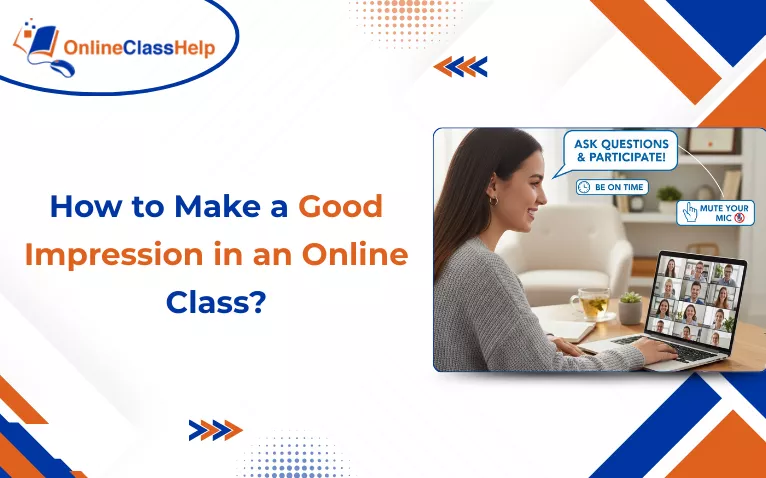
ToggleImpression management in an online classroom is a significant step to academic success in virtual education. Looking directly at the camera, engaging in classroom conversations, and other forms of interaction that you take part in make you shine in your learning experience. These are the best tips to follow when dealing with virtual classes and make a good impression in an online class while avoiding the most common pitfalls.
Key Takeaways
- Virtual learning is based on first impressions. Punctuality of entry and professional setup are quite beneficial and are among the best ways to make good impression virtual class.
- Active participation will make you stand out. You can ask questions, participate in discussions, and take part in group activities.
- Credibility is created through professional communication. Speak politely and respond to the chat respectfully.
- Uniformity establishes a good academic image. On-time submissions and constant attendance make your instructors believe that you are responsible and serious.
- One can make a big impression out of small habits. Certain basic behaviors, such as carrying your camera when in need, dressing well, can help others have a better impression of you.
10 Tips for Good First Impression Online Classes

When you follow these tips, you will get great help with online class journey, which will further help you focus on important areas in your personality. Following these tips will help you make a first impression online learning:
1. Check Your Technical Setup
Your video conferencing tools is your critical first step to the first impression in online learning. Professionalism manifests itself in technical mastery:
- Check your microphone and camera before all online meetings to ensure audio and video are clear.
- Select a consistent internet connection and get a backup mobile hotspot for emergencies.
- Master Microsoft Teams or any other features of your platform, such as screen sharing, chat, and other capabilities, to make a good impression.
- When you are not talking, use the mute option to reduce the background noise and have a positive learning experience.
- Ensure the video conferencing software is up to date so that during the crucial initial moments, it does not experience technical glitches.
Educational technology competence demonstrates that you are serious about your coursework and that you valuethe time of everyone in the virtual classroom.
2. Create Professional Visual Presentation
Professionalism in online classes extends beyond knowledge to how you present yourself visually, and this comes under Online Class Etiquette:
- Dress appropriately as you would for a physical classroom. This affects your mindset and impression on your classmates.
- Set up a clear, uncluttered background that doesn’t distract from class content.
- Ensure Proper lighting so your face is clearly visible; natural light from windows works best.
- Maintain good posture and positioning in frame to appear engaged and attentive.
- Avoid making distracting movements or fidgeting that draws attention away from the discussion.
- Keep your space organized with materials readily accessible for seamless participation.
First impression online matters immensely, as studies show people form opinions within seconds of seeing you on camera.
3. Show Punctuality and Reliability
Ways to stand out in online class first day include showing up consistently and on time:
- Join online meetings 5 minutes early to test technology and settle in before the official start.
- Attend all scheduled sessions; class is important, and your presence matters.
- Submit coursework and assignments on time without reminders.
- Respond promptly to emails and discuss posts within 24 hours.
- Follow through on group project commitment when mastering group projects in online classes.
- Notify your teacher in advance if you must miss a session for a legitimate reason.
Put your best foot forward by treating the virtual classroom with the same respect as a physical one. This reliability creates a positive impression that compounds over time.
4. Build Meaningful Relationships With Classmates
Ways to make a good impression extend beyond instructor interactions to peer connections:
- Introduce yourself warmly during the first online course sessions with relevant experience and genuine enthusiasm.
- Offer help to classmates struggling with technology or content without being condescending.
- Celebrate others’ success and contribution through supportive comments.
- Create study groups or informal discussion channels for deeper learning.
- Respect diverse perspectives and backgrounds in all interactions.
- Be approachable and friendly in breakout room discussions.
- Share useful resources generously without expecting anything in return.
A positive impression on your classmates opens doors for collaboration, networking, and a richer learning experience throughout the semester.
5. Master Eye Contact and Camera Presence
Making eye contact through video conferencing requires a different technique than in-person interaction:
- Look directly at the camera lens when speaking, not at your screen, to simulate direct eye contact with others.
- Practice this beforehand to make it feel natural during actual class sessions.
- Position your camera so it is at eye level. Avoid looking down or up at awkward angles.
- Maintain eye contact consistently to show you are engaged in the class and following along.
- Use sticky notes near your camera as a reminder to look at the lens during important moments.
- Balance between watching others on screen and maintaining eye contact.
This goes a long way in creating connection and showing confidence, helping you make a great first impression on your online classmates.
6. Participate Actively to Impress in Online Class through Quality Contributions
Active participation online classes is not about quantity; it is about adding genuine value:
- Prepare thoughtful questions and comments before each session by reviewing the course materials.
- Contribute insights that connect coursework to real-world applications or current information.
- Ask clarifying questions that benefit the entire class, not just yourself.
- Reference previous discussions to show you are paying attention and building on ideas.
- Share relevant resources or articles that enhance learning for everyone.
- Respond to classmates’ points constructively to encourage a collaborative dialogue.
- Avoid making generic “I agree” statements without adding substance.
7. Communicate Professionally Across All Platforms
Tips for making a good impression include mastering written and verbal communication:
- Use clear subject lines and proper formatting in emails to your professor.
- Proofread all discussion posts and messages before submitting.
- Maintain a professional tone while being personal and authentic.
- Ask questions thoughtfully during a video conferencing session without dominating the conversation.
- Use appropriate academic language while avoiding overly casual slang.
- Express gratitude when others help you or share valuable information.
Learning environment is where everyone communicates respectfully and clearly, and your professor notices students who model this behaviour
8. Engage Deeply with Course Content
Ways to impress your teacher include showing genuine intellectual curiosity:
- Complete all assigned readings before attending virtual classes.
- Take detailed notes during lectures and discussions for quiz preparation.
- Connect concepts across different lessons to show big picture understanding.
- Seek additional information beyond the minimum requirements through independent research.
9. Leverage Technology for Enhanced Learning
Educational technology skills help you make a lasting impression as a digitally competent learner:
- Familiarize yourself with all features of your online learning platform beyond basic functions.
- Make an impression by using collaborative tools like shared documents for group work effectively.
- Record sessions for review and better retention information.
- Create digital study aids using various multimedia tools to make a positive impression.
10. Maintain a Consistent Growth Mindset
Make a good first impression throughout the semester, not just initially:
- Accept constructive criticism gracefully and implement feedback in subsequent work.
- Acknowledge when you don’t understand something rather than pretending to know.
- Show improvement over time by applying tips on how to make better contributions.
- End the course as strongly as you started it to leave a lasting positive impression.
Common Mistakes to Avoid Making in Virtual Classes

Understanding what not to do to make a good impression in virtual meetings is equally important:
- Avoid making yourself only visible during attendance checks, then disappearing.
- Never multitask during sessions.
- Refrain from posting last-minute, low-effort responses.
- Don’t ignore direct questions from your professor or classmates to impress teacher in virtual class.
Conclusion
To make a first impression in online class include all the tips we shared in this blog. By implementing these best practices for online students, you create a foundation for academic success. Remember that a positive first impression requires consistent effort across all interactions, from attending virtual classes to submitting quality coursework. Apply these tips for good first impressions online classes, and you will build lasting positive relationships that enhance your entire educational experience and professional network.
Frequently Asked Questions
What is the best way to introduce yourself in an online class?
Use a greeting such as good morning, professor, and classmates, give your full name, tell about your background, e.g,. hometown or former school, why you enrolled in the course, include a fun fact or a hobby, and the conclusion, e.g., I am looking forward to learning and collaborating.
What to wear for a professional online presence?
You could pick collar shirts or button-downs in neutral colors such as navy, white, or gray that look proper all the way up; you should avoid loud patterns, logos, or loose tees, and wear a blazer to look more formal.
What are the tips to stay focused during long synchronous sessions?
Tips for staying focused during long synchronous sessions: Apply Pomodoro by focusing 25-30 minutes, then micro-breaking with deep breaths, stretches, or eye closes during natural pauses; minimize distractions by silencing notifications, using full screen, and a dedicated workspace; stay hydrated, take notes actively, engage via chat or questions, and stand/move periodically to combat fatigue. Align with the brain’s attention cycles for sustained energy.
How do I enroll in your online classes?
In order to enroll in online class help services, go to the site, complete the form on the Contact Us page, input course details, get a free quote, and then pay securely.
What platforms do you use for online classes?
Services include the major Learning Management Systems (LMS), such as Canvas, Blackboard, Pearson MyLab, McGraw-Hill Connect, and ALEKS. The professionals rely on domestic logins, US VPNs, and IP bypass to maintain localized access without being discovered.
How qualified are your online class instructors?
Teachers have graduate degrees such as PhDs and MBAs from some of the most prestigious universities in the US, which include Princeton, Caltech, Harvard, and UC Berkeley. All of them specialize in exclusive topics, publish in peer-reviewed journals, and offer specialized assistance for online courses, quizzes, and exams.